AI in logistics: transforming warehousing, delivery, and inventory management
The logistics industry is undergoing a significant transformation as...
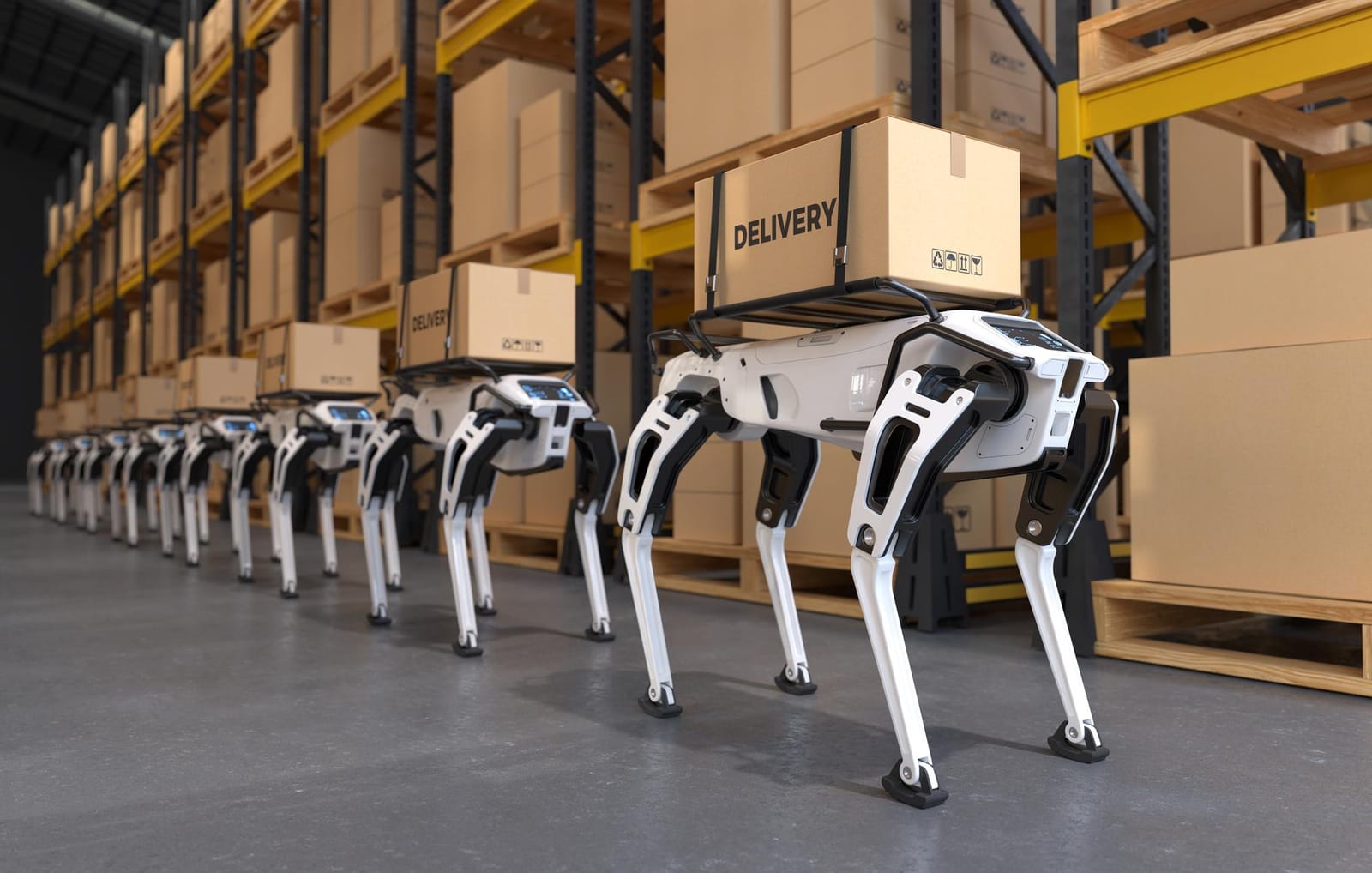
1. AI in warehousing
content moderation involves assessing user-generated content such as text, images, videos, and comments to determine whether it complies with a platform’s policies. moderators, either human or AI-driven, decide whether content should be allowed, removed, flagged for review, or edited. type of content moderation include:
- Automation of warehouse operationsRobotics and autonomous vehicles: AI-driven robots and autonomous vehicles can perform tasks such as picking, packing, and transporting goods within warehouses.
- Predictive maintenanceEquipment monitoring: AI-powered sensors monitor warehouse equipment in real-time, predicting when maintenance is required before a breakdown occurs.
- Demand forecasting and inventory managementAccurate demand predictions: AI algorithms analyze historical sales data, market trends, and external factors like weather or economic conditions to predict future demand. this allows warehouse to stock the right amount of inventory, reducing excess stock and stockouts.
Automated sorting and storage: AI systems can sort and store products more efficiently by analyzing inventory data, leading to optimized space utilization and faster retrieval times.
Cost savings: by avoiding unexpected equipment failures, companies can save on repair costs and maintain continuous operations, leading to significant cost savings.
Optimized inventory levels: AI systems help maintain optimal inventory levels, minimizing the costs associated with overstocking or understocking, and improving cash flow.
2. AI in delivery and transportation
- Route optimizationDynamic routing: AI systems can optimize delivery routes in real-time by analyzing traffic patterns, weather conditions, and delivery constraints. this lead to faster delivery times, reduced fuel consumption, and lower transportation costs.
Fleet management: AI-powered fleet management systems track vehicle performance, driver behavior, and fuel usage, enabling logistics companies to optimize their fleets’ efficiency and reduce oprational costs.
- Autonomous delivery vehiclesDrones and autonomous trucks: AI is enabling the development of autonomous delivery vehocles, including drones and self-driving trucks. these technologies can rereduce labor costs, increase delivery speed, and provide solutions for last-mile delivery challenges.
Regulatory and safety considerations: while autonomous delivery vehicles offer many benefits, they also present challenges in terms of regulatory approval, safety, and public acceptance.
- Enhanced customer experienceReal-time tracking: AI-powered systems provide customers with real-time tracking information, improving transparency and allowing customers to monitor their deliveries closely.
Personalized delivery options: AI can analyze customer preferences and behavior to offer personalized delivery options, such as preferred delivery times or locations, enhancing the overall customer experience.
3. AI in inventory management
- Inventory optimizationAutomated recording: AI systems can automatically recorder stock based on predicted demand, ensuring that inventory levels are always optimized without the need for manual intervention.
Reducing inventory holding costs: by maintaining optimal inventory levels, AI helps reduce the costs associated with holding excess inventory, such as storage fees and and potential obsolescence.
- Real-time inventory trackingRFID and IoT Integration: AI integrates with RFID and IoT technologies to provide real-time inventory tracking, ensuring accurate inventory counts and reducing the likelihood of stock discrepancies.
Enhanced Supply Chain Visibility: With real-time data, logistics companies can gain better visibility into their supply chains, allowing for more informed decision-making and quicker response to disruptions
- Managing Perishable GoodsNuanced content: Expiration Date Tracking: AI systems can monitor the expiration dates of perishable goods, ensuring that older stock is sold first and reducing waste.
Optimized Storage Conditions: AI can also adjust storage conditions, such as temperature and humidity, to extend the shelf life of perishable goods, minimizing losses.
Share this article