Understanding computer vision: applications, benefits & drawbacks introduction.
Computer vision is a field of artificial intelligence(AI) that enables comput...
1. The Role of Image Annotation in Autonomous Vehicles
Image annotation is the process of labeling images to provide context and information to machine learning models. In the context of autonomous vehicles, image annotation involves identifying and labeling various objects within an image, such as pedestrians, vehicles, road signs, and lane markings.
- Key Types of Image Annotation
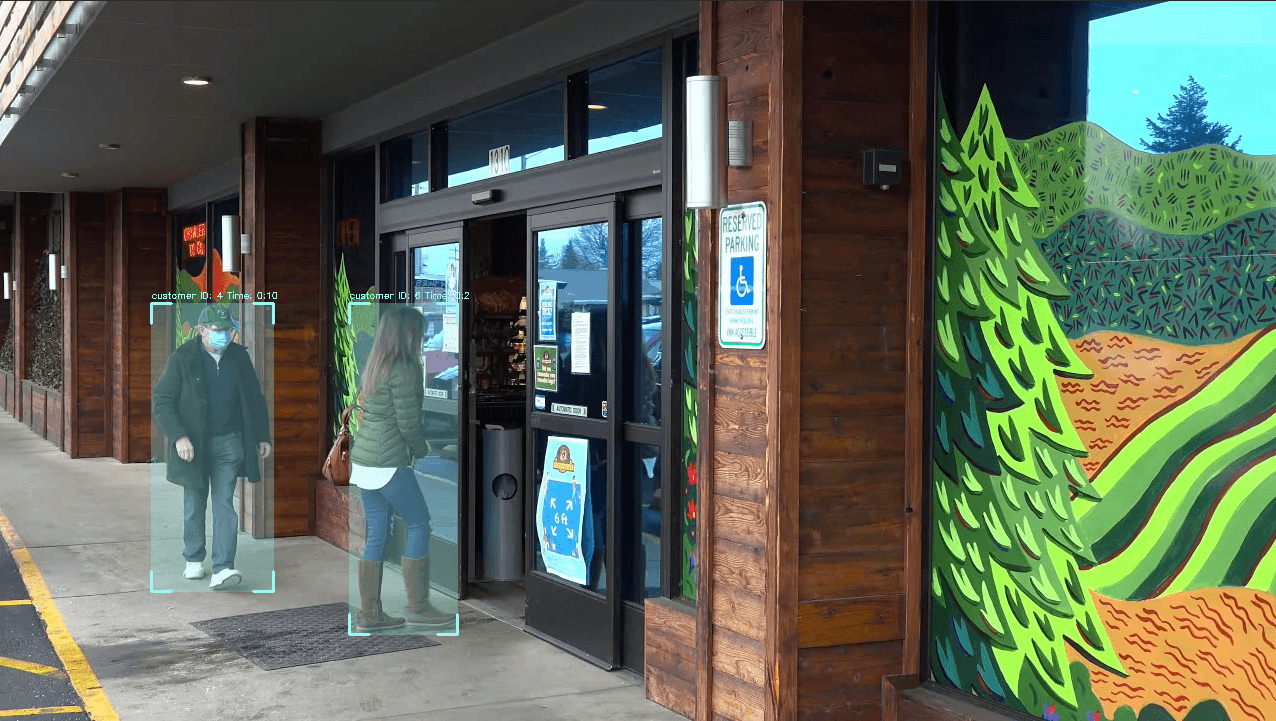
Bounding Boxes: Drawing rectangles around objects to indicate their location within an image. This method is commonly used to detect vehicles, pedestrians, and other road users.
Semantic Segmentation: Labeling each pixel in an image with a class, such as road, sidewalk, vehicle, or sky. This approach provides detailed information about the environment, crucial for safe navigation. dataset.
Instance Segmentation: Similar to semantic segmentation, but with the added complexity of distinguishing between different instances of the same object type, such as multiple pedestrians in a single frame.
3D Cuboids: Extending bounding boxes into three dimensions to capture the spatial orientation of objects, helping the vehicle understand the depth and distance of obstacles.
Keypoint Annotation: Marking specific points on objects, such as the joints on a pedestrian or the edges of a vehicle, to provide more granular data for motion tracking and object recognition.
2. Enhancing Autonomous Vehicle Performance through Image Annotation
High-quality image annotation is crucial for training autonomous vehicle models, directly impacting their ability to perceive and respond to their environment.
- Improved Object Detection and RecognitionAccurate Detection: Precise annotation allows AV models to detect and recognize objects with high accuracy, reducing the risk of accidents caused by misinterpretation of the environment
Contextual Awareness: Annotated images help models understand the context of objects, such as differentiating between a pedestrian on the sidewalk and one crossing the street.
- Enhanced Decision-MakingReal-Time Processing: Well-annotated data enables autonomous vehicles to make quick and accurate decisions in real-time, such as when to brake, accelerate, or change lanes
Predictive Analysis: Annotated images provide data for predictive models that anticipate the actions of other road users, such as predicting a pedestrian's intent to cross the road.
- Navigation and Path PlanningLane Detection: Annotation of lane markings helps AVs stay within their lanes and accurately follow road curves, even in challenging conditions like poor lighting or faded markings.
Obstacle Avoidance: By accurately identifying obstacles, annotated data enables vehicles to navigate around them safely, whether they are stationary or moving.
- Increased Safety and ReliabilityEdge Case Handling: High-quality annotation helps AVs handle edge cases, such as unusual road conditions or rare objects, improving overall safety and reliability.
Error Reduction: Consistent and accurate annotation reduces the likelihood of errors in object detection and classification, leading to safer driving behavior.
3. Challenges in Image Annotation for Autonomous Vehicles
While image annotation is essential for AV performance, it also presents several challenges that need to be addressed to ensure effectiveness.
- Large Volumes of DataScalability Issues: Autonomous vehicles generate vast amounts of image data that need to be annotated, making it challenging to scale the annotation process efficiently.
Time-Consuming Process: Manual annotation of large datasets can be time-consuming, leading to delays in model development and deployment.
- Complexity of ScenariosDynamic Environments: Annotating images from dynamic environments, such as busy urban streets, requires careful attention to detail to accurately label moving objects and complex scenes.
Variety of Objects: The wide range of objects that AVs encounter, from pedestrians and cyclists to animals and debris, requires diverse and comprehensive annotation.
- Quality ControlConsistency: Maintaining consistency in annotation across large datasets is challenging but critical to ensure the reliability of the trained models.
Error Minimization: Even small errors in annotation can lead to significant performance issues, highlighting the need for rigorous quality control measures.
- Integration with Machine Learning ModelsAlignment with Model Requirements: Annotated data must be aligned with the specific requirements of the AV models, including resolution, format, and labeling conventions
Data Preprocessing: Preparing annotated data for training involves preprocessing steps, such as normalization and augmentation, which must be carefully managed to avoid introducing biases
Share this article