Object detection and tracking
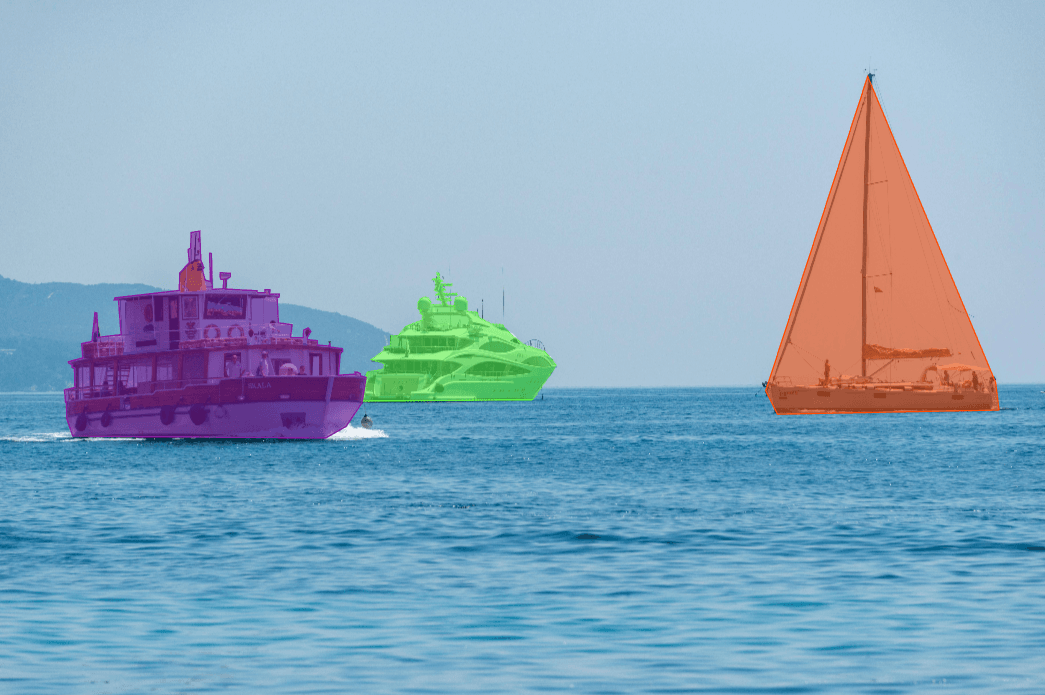
Multi-class detection with persistent IDs across frames, tuned for occlusion and camera movement rather than benchmark scores.
AI & Machine Learning
Detection, segmentation, tracking, and classification models trained on your imagery and deployed against real cameras and real throughput targets.

Overview
Most vision projects stall between a notebook that works and a system that runs. We build for the second one: models trained on your data, evaluated on the edge cases that matter to your operation, and packaged so they survive contact with production hardware.
We have run this end to end - from labelling raw footage through to a portal that flags violations on a live site. That history means we scope realistically about what accuracy is achievable on your data, and where the model will need a human in the loop.
What you receive
Typical stack
Capabilities
Multi-class detection with persistent IDs across frames, tuned for occlusion and camera movement rather than benchmark scores.
Semantic and instance segmentation where pixel-level boundaries drive a downstream measurement or decision.
Defect and compliance classification with calibrated confidence, so borderline cases route to review instead of guessing.
Quantisation and runtime optimisation for constrained hardware, including sites with no reliable network.
Related
Forecasting, pricing, and anomaly detection models built on your operational history, with the validation work that tells you whether to trust them.
Read moreGetting models off laptops: reproducible training, versioned artefacts, automated evaluation gates, and deployment you can roll back.
Read moreSend us the shape of the problem and we'll come back with a scoped approach, a timeline, and an honest read on what's achievable.